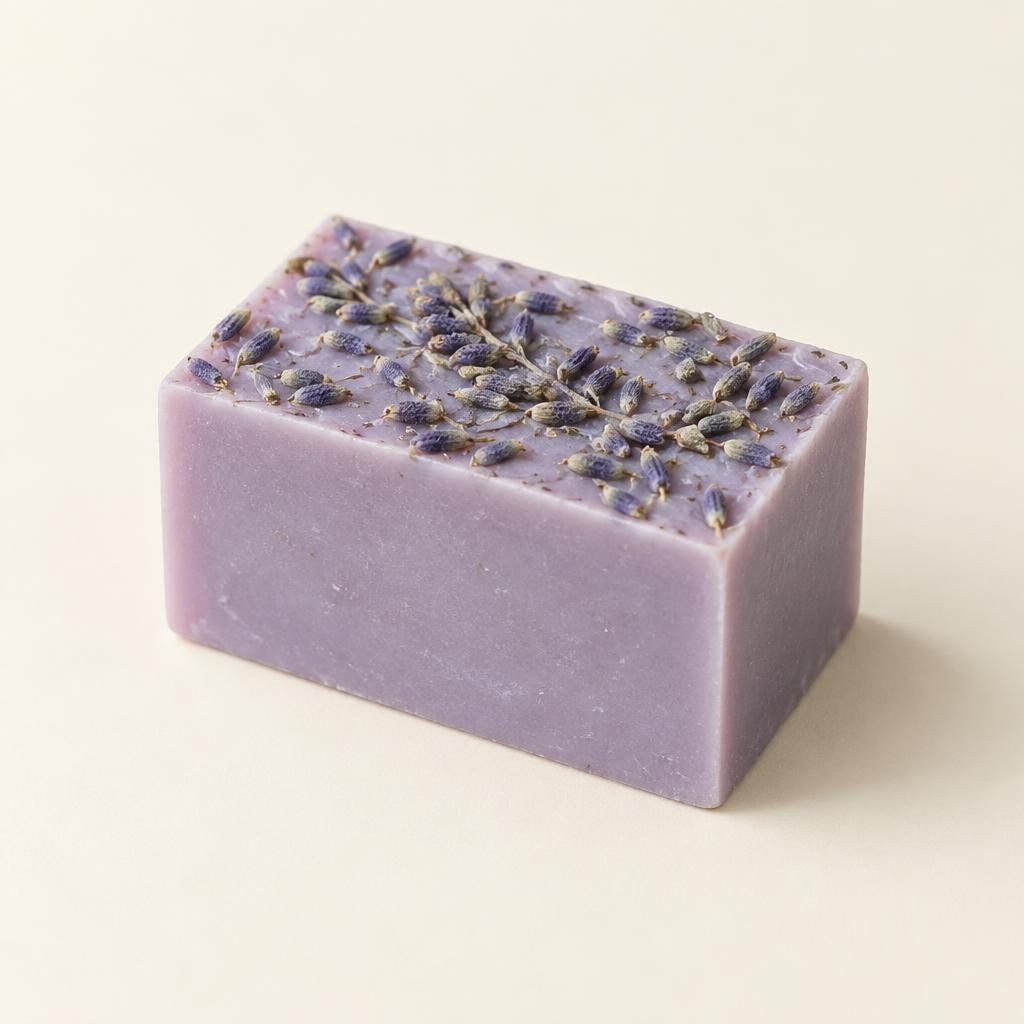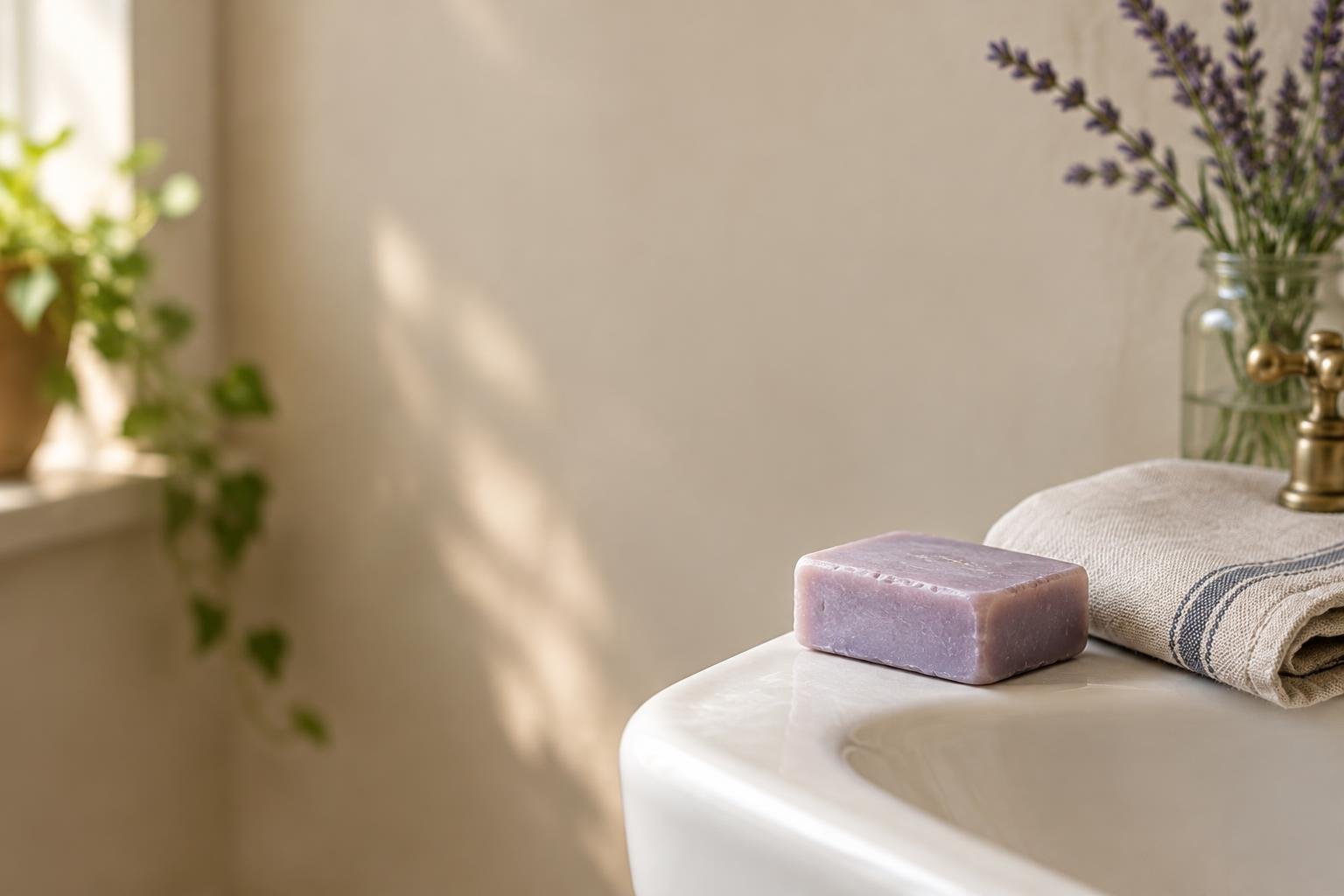
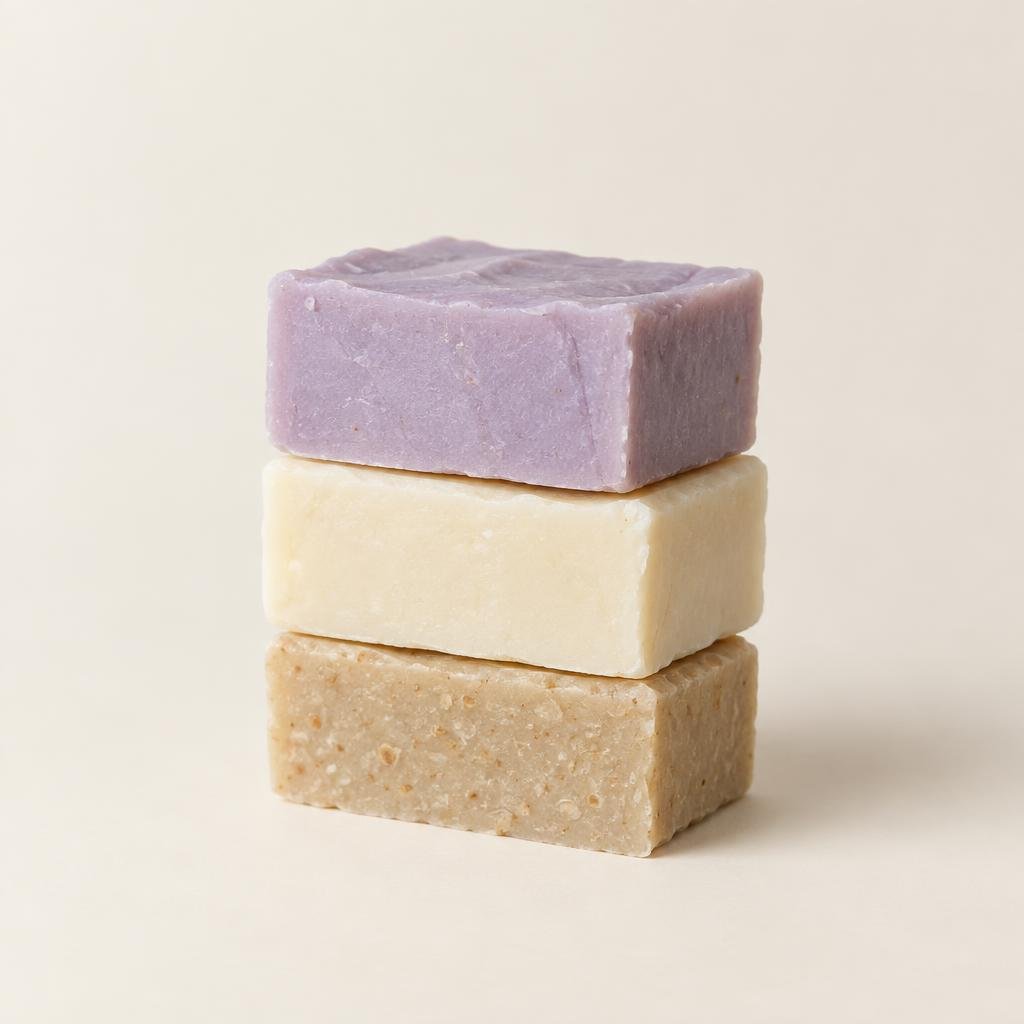
A good soap dish does one job: it keeps your bar out of standing water. That sounds small, but it decides how long a bar lasts and how pleasant it is to use. A bar that dries between washes stays firm, lathers cleanly and feels better in the hand. Here is how to choose a dish and keep it in good shape.
Soap is made to dissolve in water, and that is the whole point of it. The trouble starts when it keeps dissolving after you have finished washing. A bar left sitting in a puddle keeps soaking up moisture, and the surface turns soft. Over days, that soft layer washes away and the bar shrinks faster than it should.
Slatted wooden dishes are popular because water can run through the gaps. The bar sits on the ridges rather than in a puddle, so the underside can dry. A solid dish with no drainage holds water and leaves the bar soft and slimy, which wears it away. The slats are the feature to look for, more than the look of the wood.
Other materials can work too, as long as the design lets water escape. Ceramic dishes with raised ridges or drain holes, and metal racks with open bars, follow the same idea. A dish with a flat, smooth surface and a raised rim is the one to avoid, since it behaves like a small tray that collects every drip.
Where the Dish Goes
Placement matters as much as the dish. Put it where it will not sit under a running tap or in the direct spray of the shower. A spot beside the sink, or on a ledge away from the water, lets the bar dry out between washes. Dry soap lasts noticeably longer.
Air movement helps more than people expect. A dish tucked in a closed corner, or pushed up against a wet wall, dries slowly even if it has good slats. Leave a little space around it so air can reach the bar from the sides. A small adjustment in position can do as much as buying a better dish.
It also helps to give the bar a gentle shake or a turn after you use it. Let the extra water drip off before it goes back on the dish. Some people stand the bar on its edge for a moment, which exposes more of the surface to air. It is a tiny habit, but it adds up over the life of a bar.
A common mistake is to treat the dish as a place to leave a bar wet and walk away. Another is to set a bar directly on the edge of a tub, where it collects water from every splash. Neither takes much to fix. Moving the dish a few inches to a drier spot usually does it.
Caring for Wooden Dishes
Wood needs some care. Empty the dish and rinse it every so often, because soap residue builds up in the slats. Wipe it with a cloth and let it dry in the open air. Do not leave it standing in water, since wood left wet for long periods can darken or wear.
Residue is worth clearing because it holds moisture against the wood. A soft brush, like an old toothbrush, reaches into the gaps between slats better than a cloth does. Use plain warm water and go gently. Harsh scrubbing roughens the surface, and rough wood catches more soap and dries less evenly.
Some people rub a little plain oil into a wooden dish now and then to slow the drying and cracking that wood can suffer. It is optional, and a dish that is rinsed and dried regularly will often do well without it. If you do oil it, let it soak in and wipe off the excess before the bar goes back.
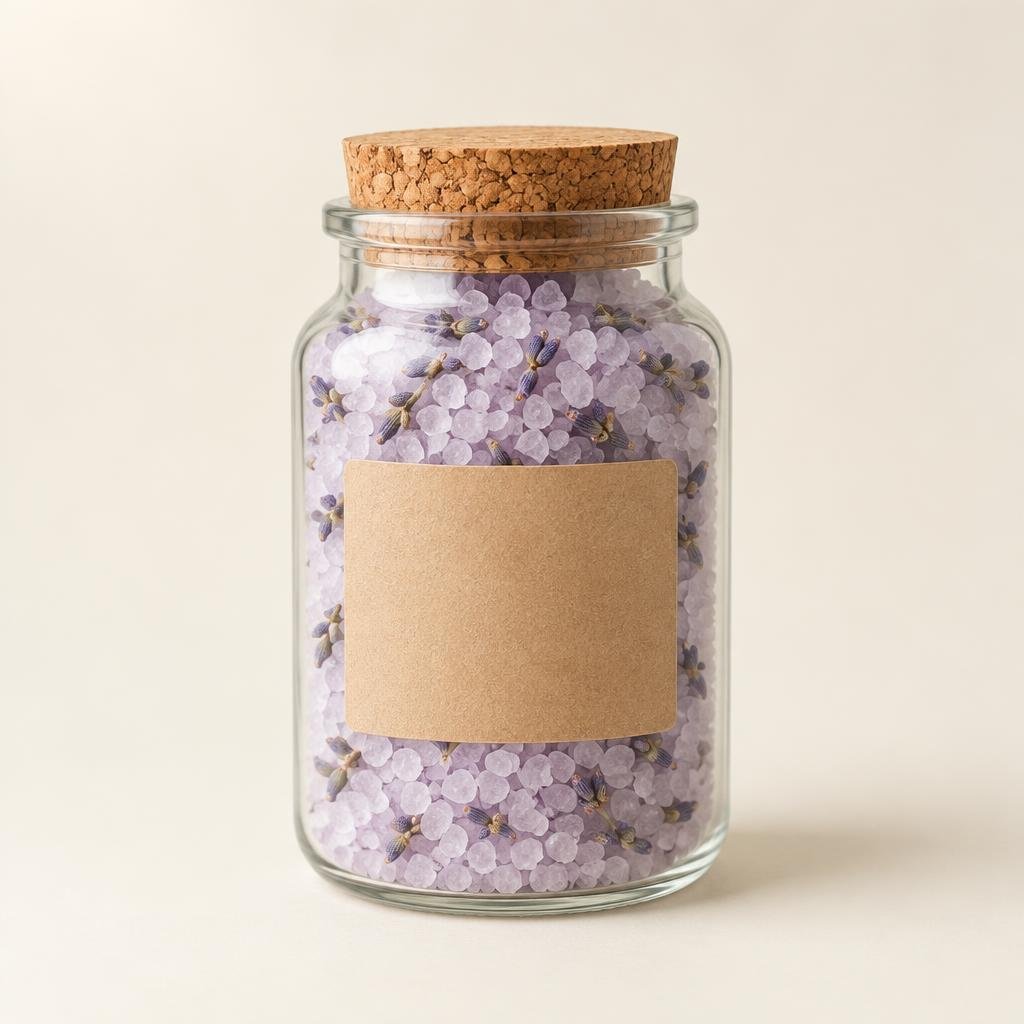
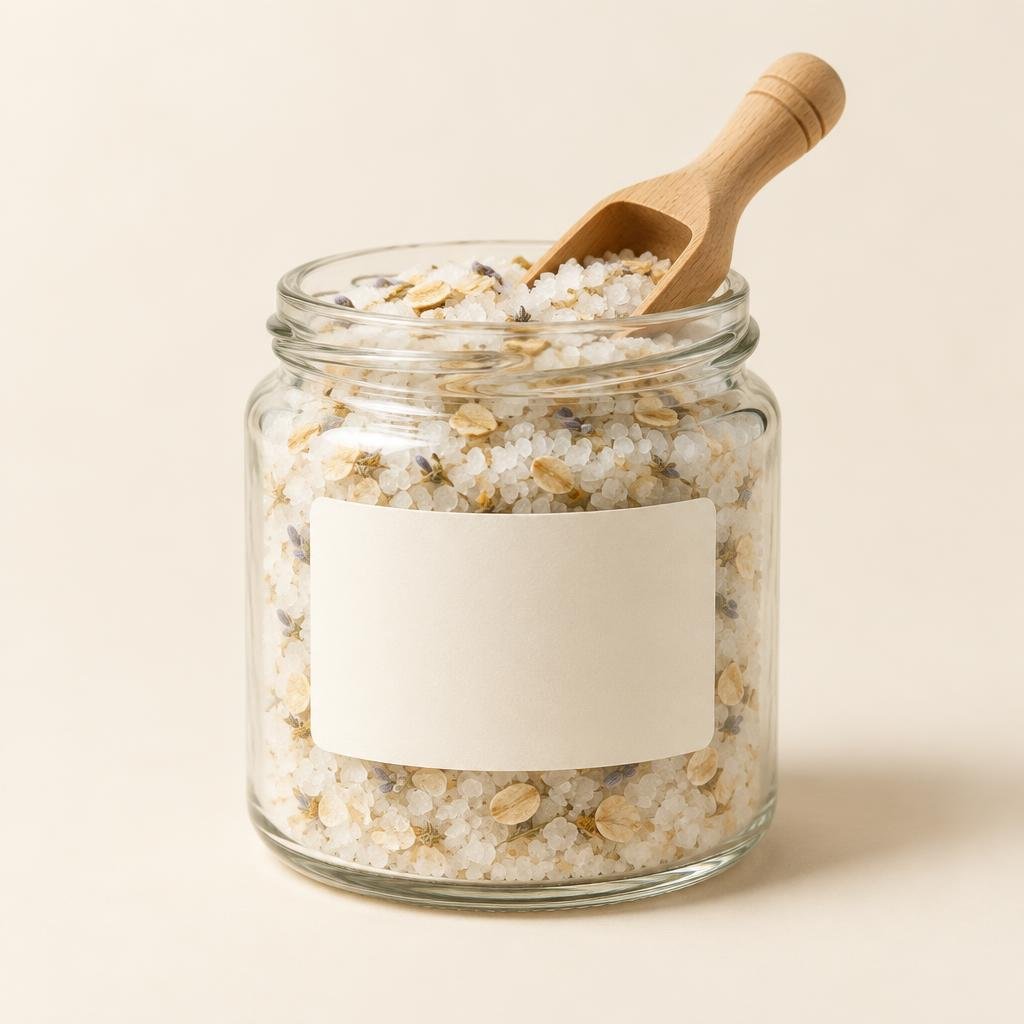
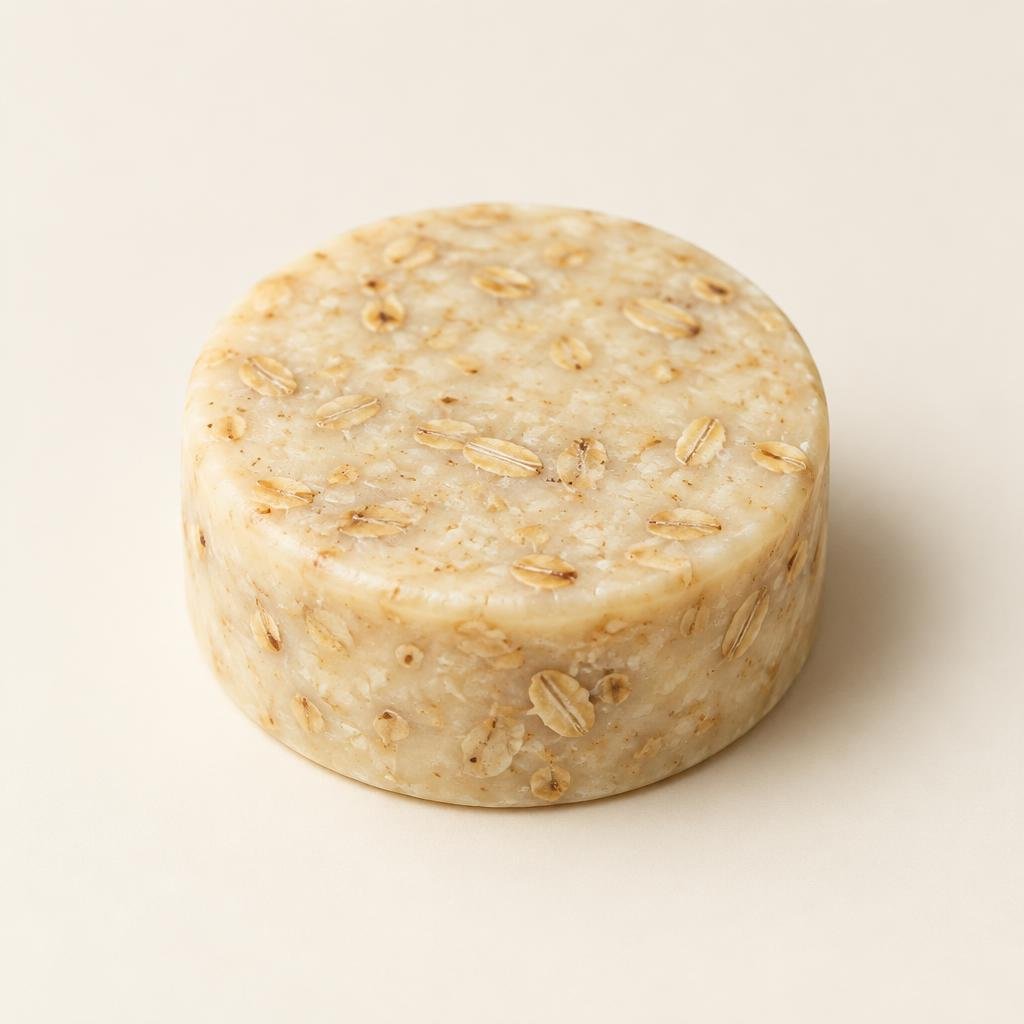
If you use more than one kind of bar, give each its own spot if you can. Strong scents can blend, and a salt bar next to a softer oatmeal one may leave traces on the dish. Rinsing between bars keeps things tidy. Softer bars also tend to mark a dish faster than harder ones.
Mitts, Brushes and Leftovers
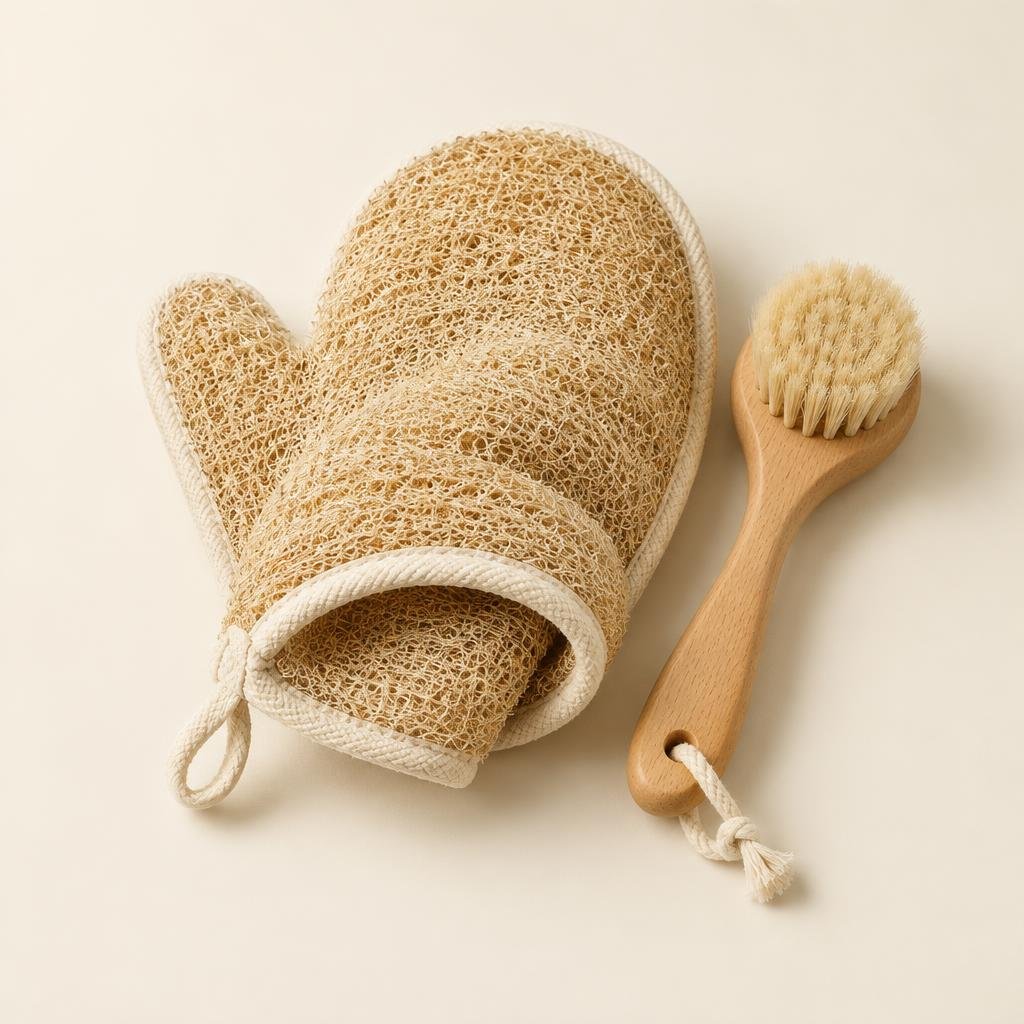
A bath brush and loofah mitt benefit from the same idea. After use, rinse them, squeeze out the water and hang them where air can reach. A damp mitt shut in a drawer will not dry properly, and it lasts longer when it is allowed to dry fully. A hook near the bath is enough.
Natural fibers and bristles are made to cope with water, but they last longest when they get a proper chance to dry. A brush with a wooden handle should be stood or hung so that water runs off the handle rather than pooling at the base. Give it the same open air you give the dish.
If a bar gets small, press the leftover piece onto a new bar. It joins together as it dries, and nothing goes to waste. Some people also keep slivers in a small dish for hand washing. For the best join, wet both surfaces slightly, press firmly and let the bar rest in a dry spot.
Looking after these small things takes almost no time, and it makes the whole routine feel better. None of it needs special tools or much effort, only the habit of letting things dry and giving them a rinse now and then. A dry bar, a clean dish and a mitt that has had a chance to air are what make washing a pleasure.