Choosing a bar of soap comes down to a few simple questions: how you like it to smell, how it feels in your hands, and where it will live between uses. Scent is the obvious one, but texture matters just as much, and it is worth thinking about both before you buy.
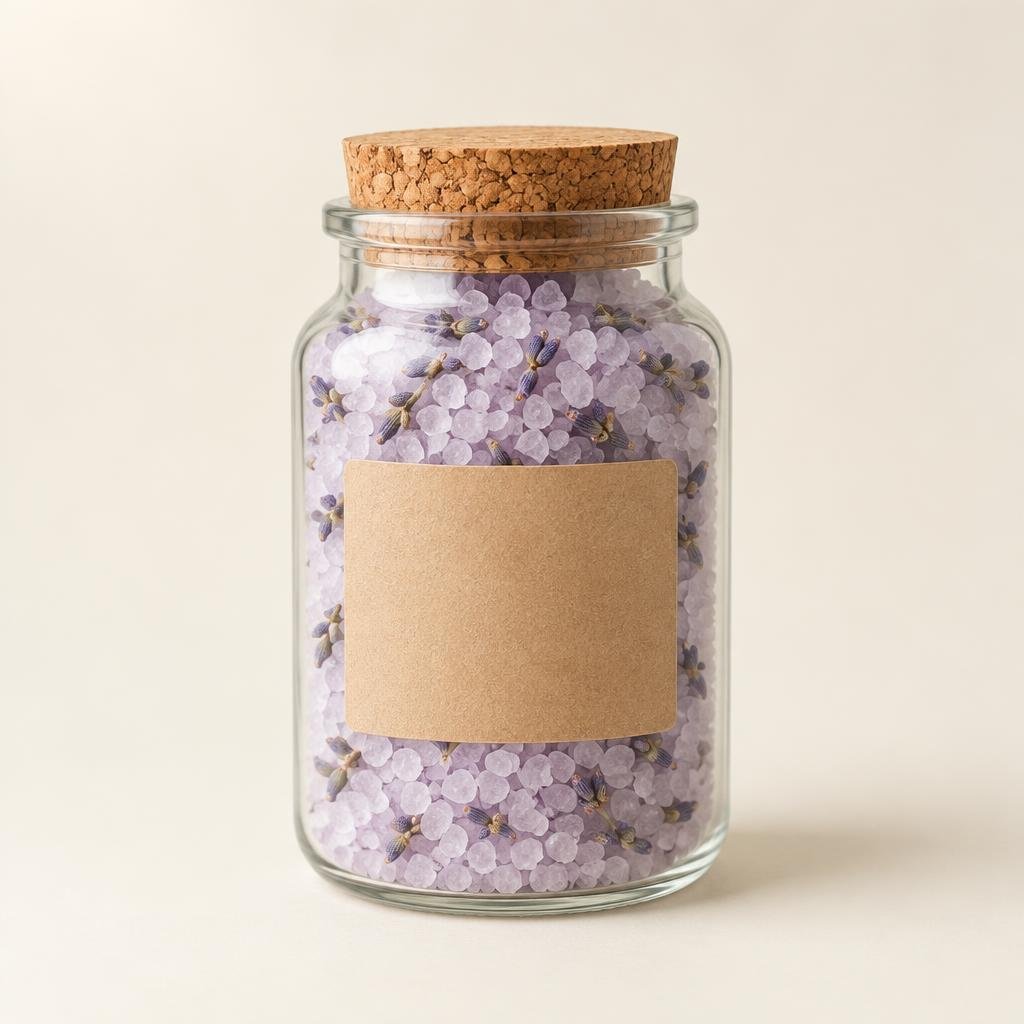
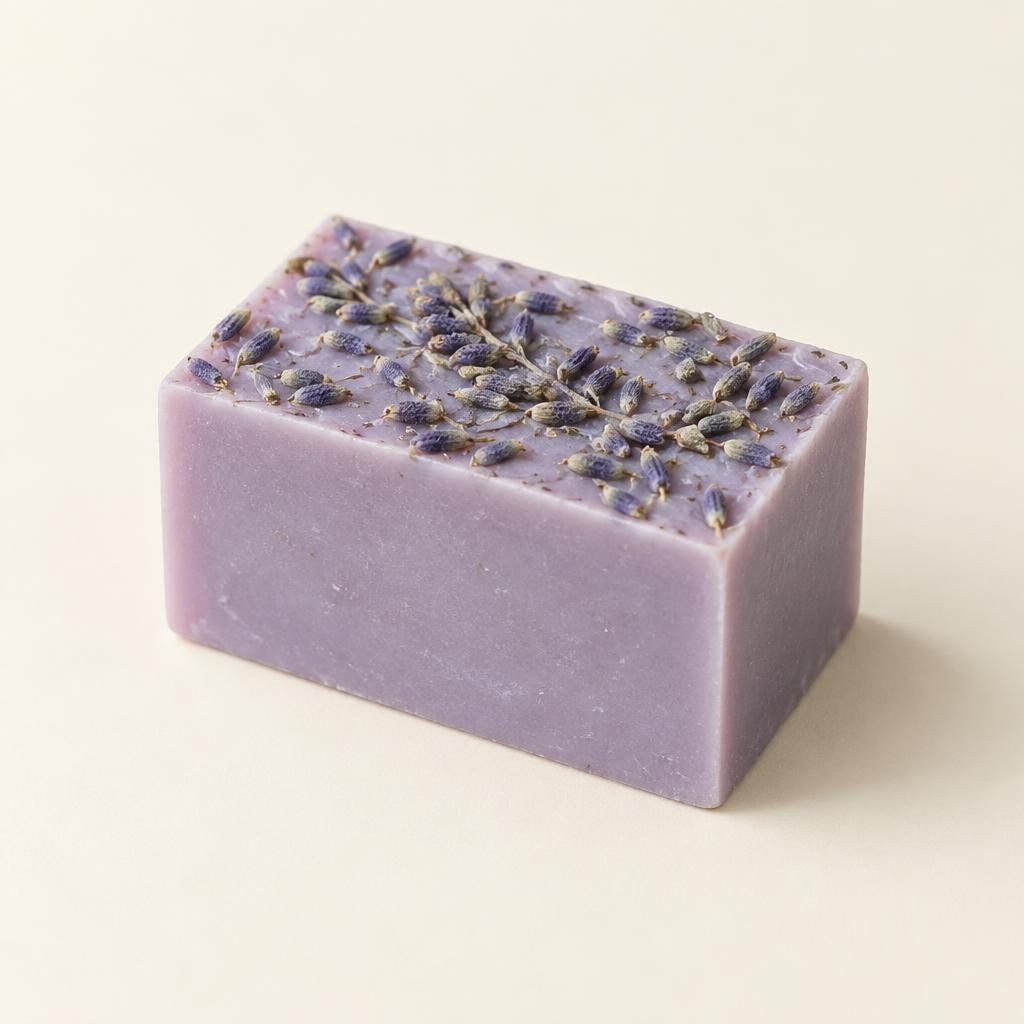
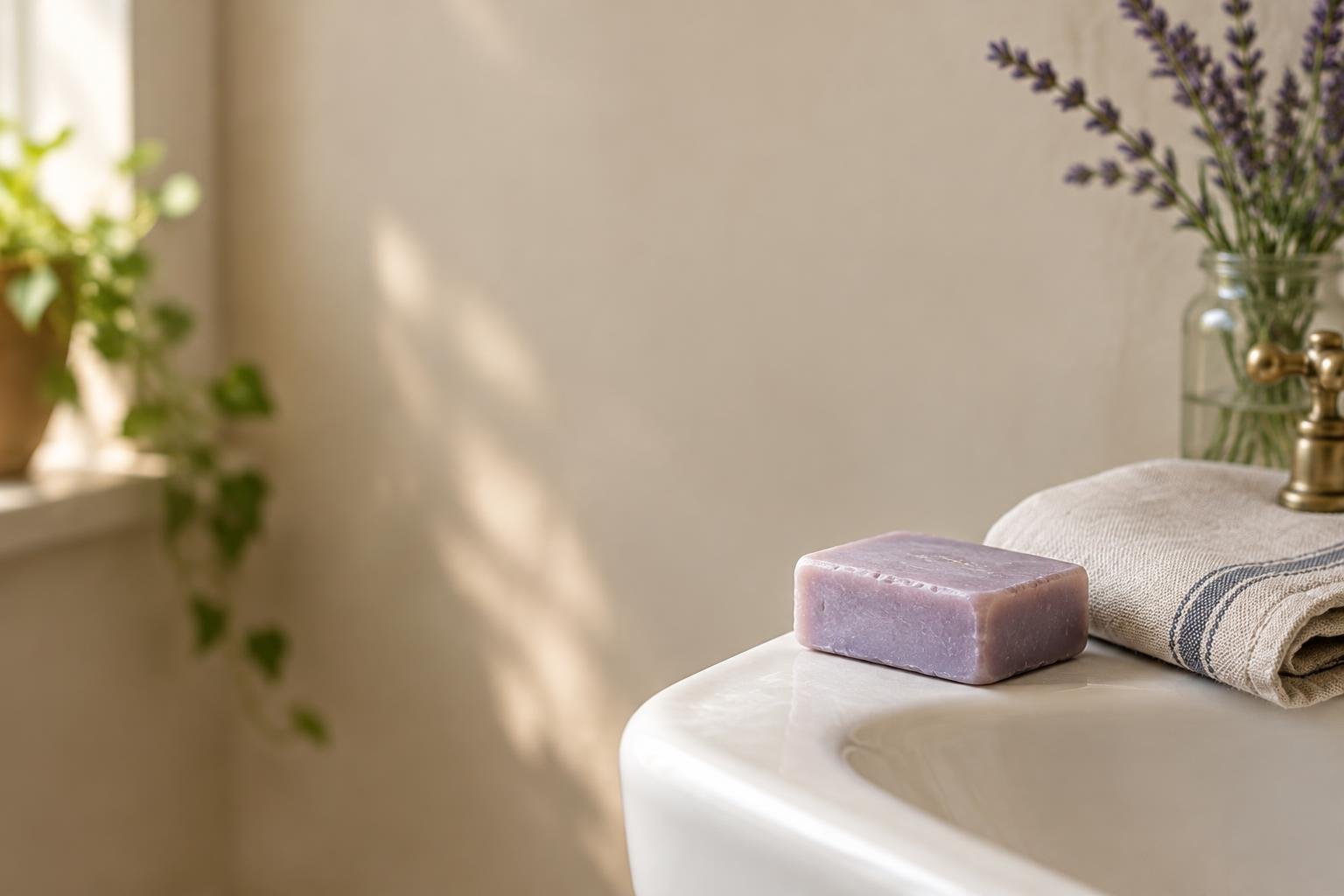
Lavender bars are the easy choice for evening washing. The smell is familiar and calm, and dried buds on top or inside a bar give a little texture. Some people like that gentle grit on their hands, and others prefer a bar that is completely smooth. Neither is wrong, so it helps to know which camp you are in.
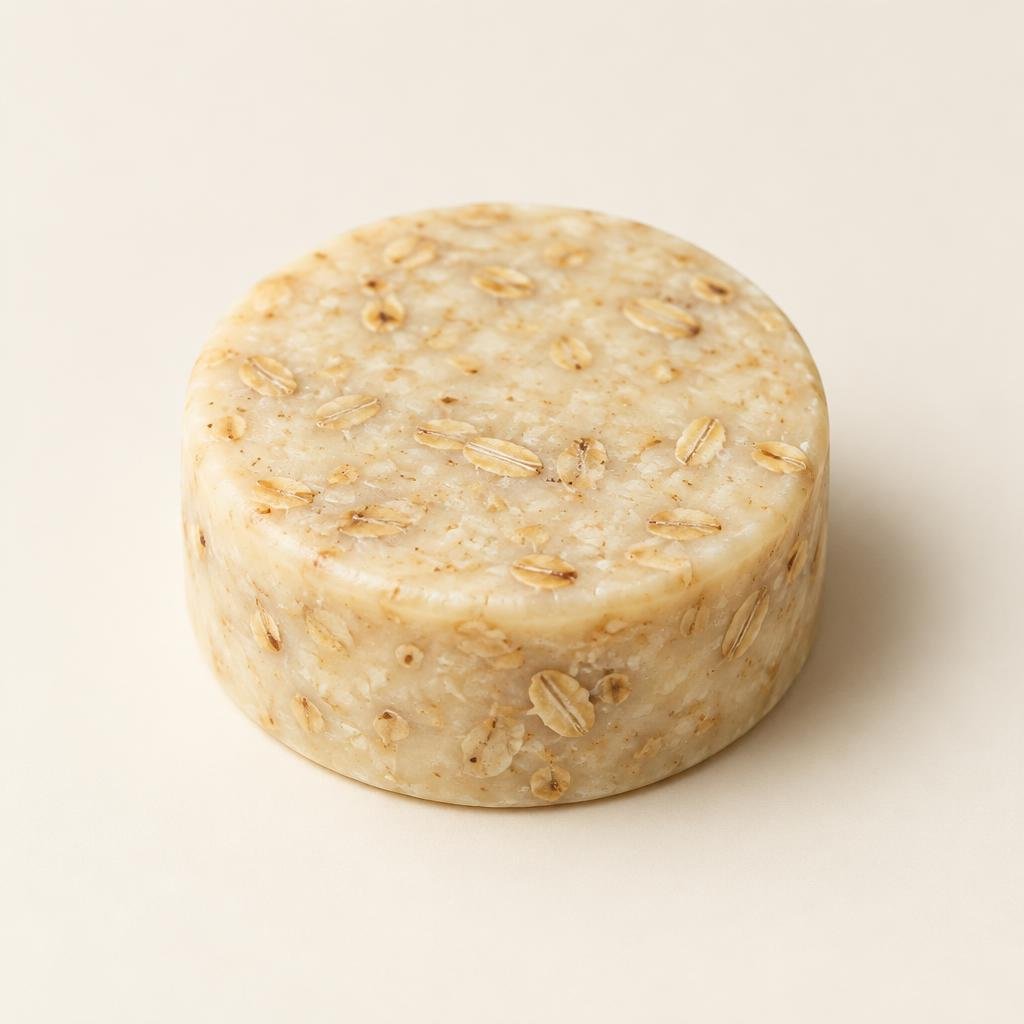
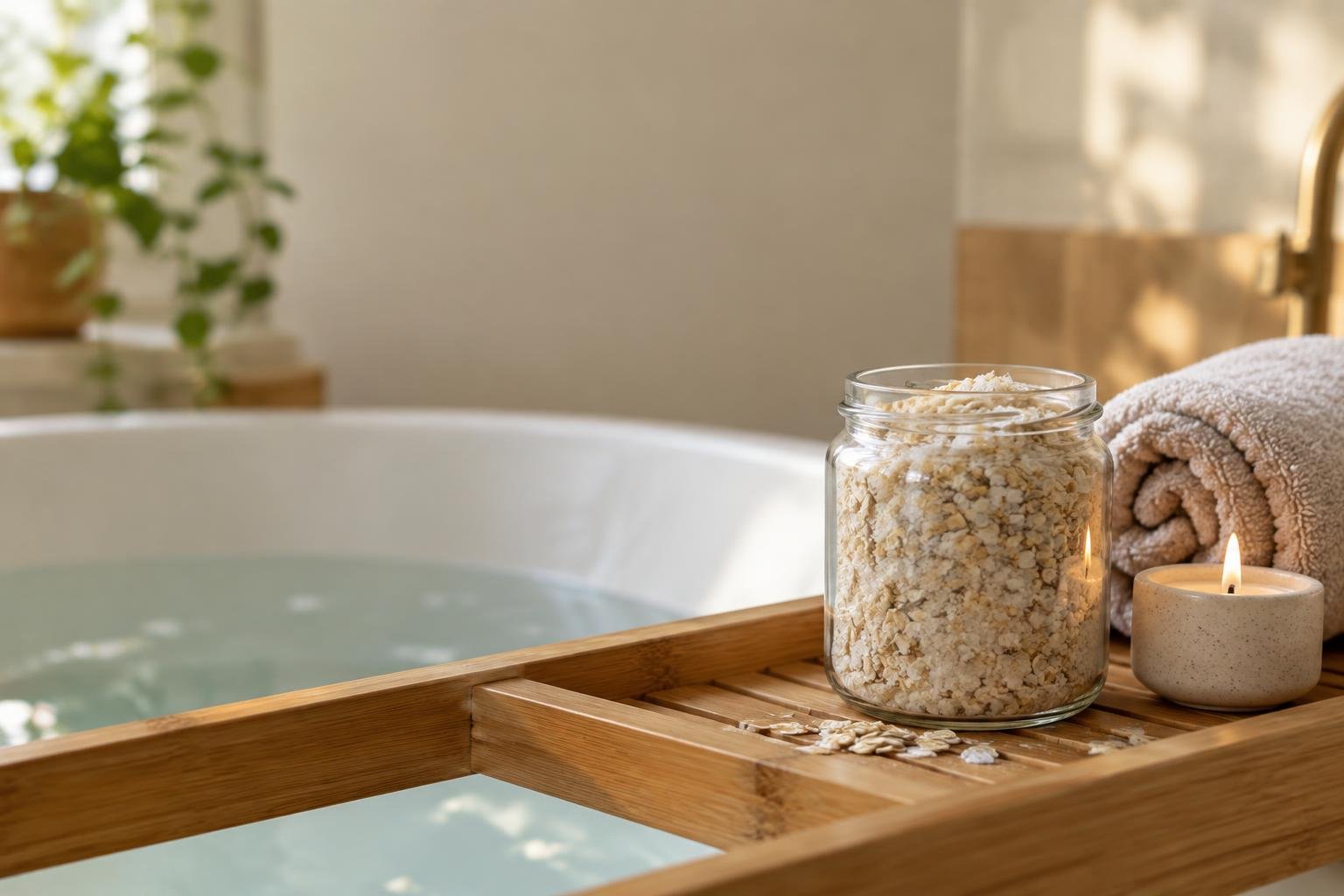
Oatmeal bars suit people who like a softer, more muted scent. Whole oat flakes in a bar add a mild scrubbing feel when you lather. They are a good fit for hand washing at the sink, where you want something that feels a little substantial without being harsh. Oats are a classic soap ingredient for exactly that reason.
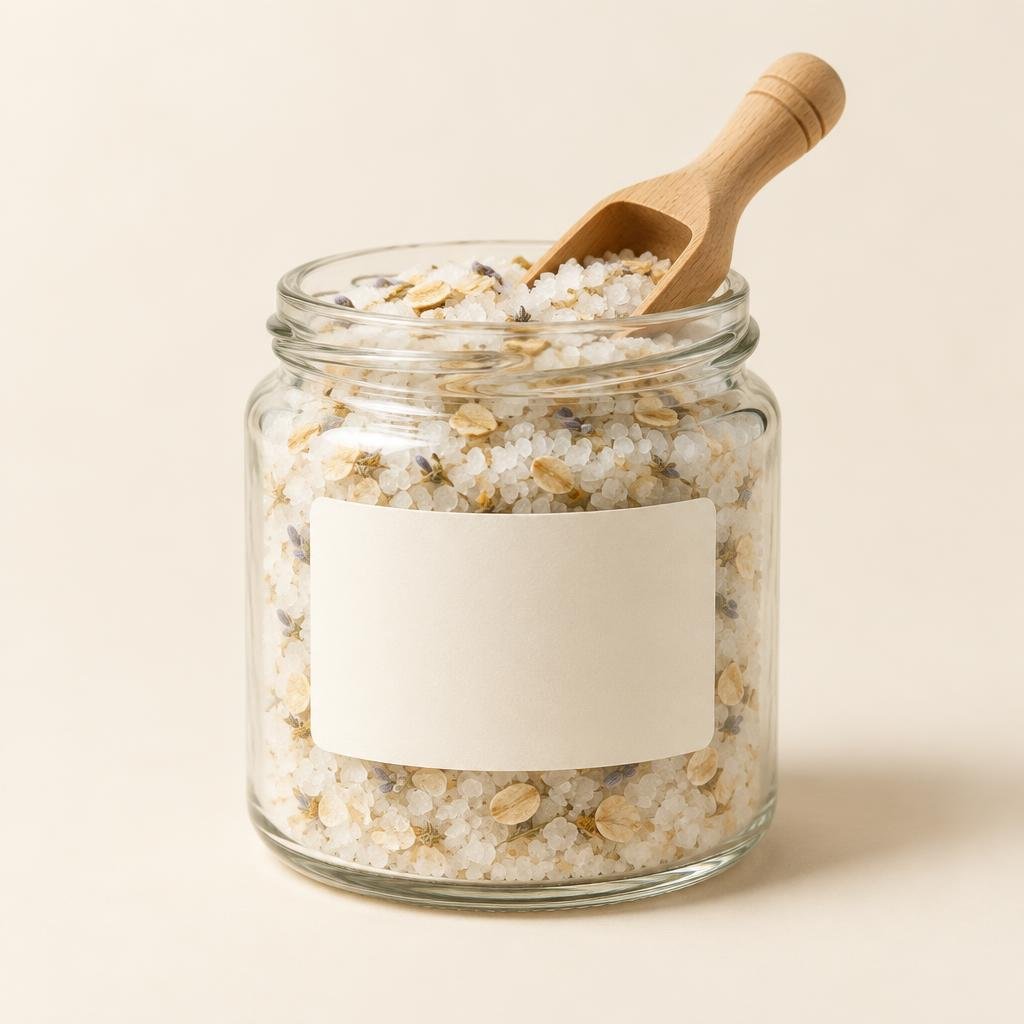
Sea salt in a bar changes the feel again. Salt gives a firmer, slightly rougher bar that lathers in its own way. If you have only used very soft, creamy soaps, a salt bar can feel different at first. Give it a few washes before deciding, because the lather and feel become familiar quickly.
Strength of scent is worth a thought as well. A bar that smells wonderful in the hand can feel heavy once it meets warm water, especially in a small bathroom. Lighter blends tend to suit a kitchen sink, while richer ones suit a shower where steam carries the fragrance. If you share a space with others, a gentler scent is usually the safer pick.
What Goes into a Bar
Most true soap is made by combining fats or oils with an alkali, a reaction called saponification. What is left is soap plus glycerin, a natural moisturizing by-product. Many handmade bars keep that glycerin in, which is one reason they can feel different from mass-produced bars. Checking the ingredient list gives you a clear idea of what the bar will do in your hands.
The oils chosen shape the bar. Olive oil makes a gentle, mild bar with a creamy, low lather. Coconut oil brings big, bubbly lather and a cleaner feel, though too much can seem drying. Butters such as shea or cocoa add richness and hardness. A good recipe balances these, so the bar lathers well, cleans well and still feels comfortable afterward.
Scent comes from either essential oils or synthetic fragrance oils. Essential oils are pressed or distilled from plants, and their scent tends to be softer and to fade as the bar is used. Fragrance oils can be stronger and last longer. Neither is automatically better, but it helps to know which you are buying, since it explains why one bar stays loud and another whispers.
Color in a bar usually comes from clays, plant powders or other additives. Natural colors are often soft and earthy, and they can shift over time. Bright, saturated colors usually come from added dyes. Color does not change how a bar washes, so choose it for looks alone, and do not read too much into it either way.
Shape, Size and Storage
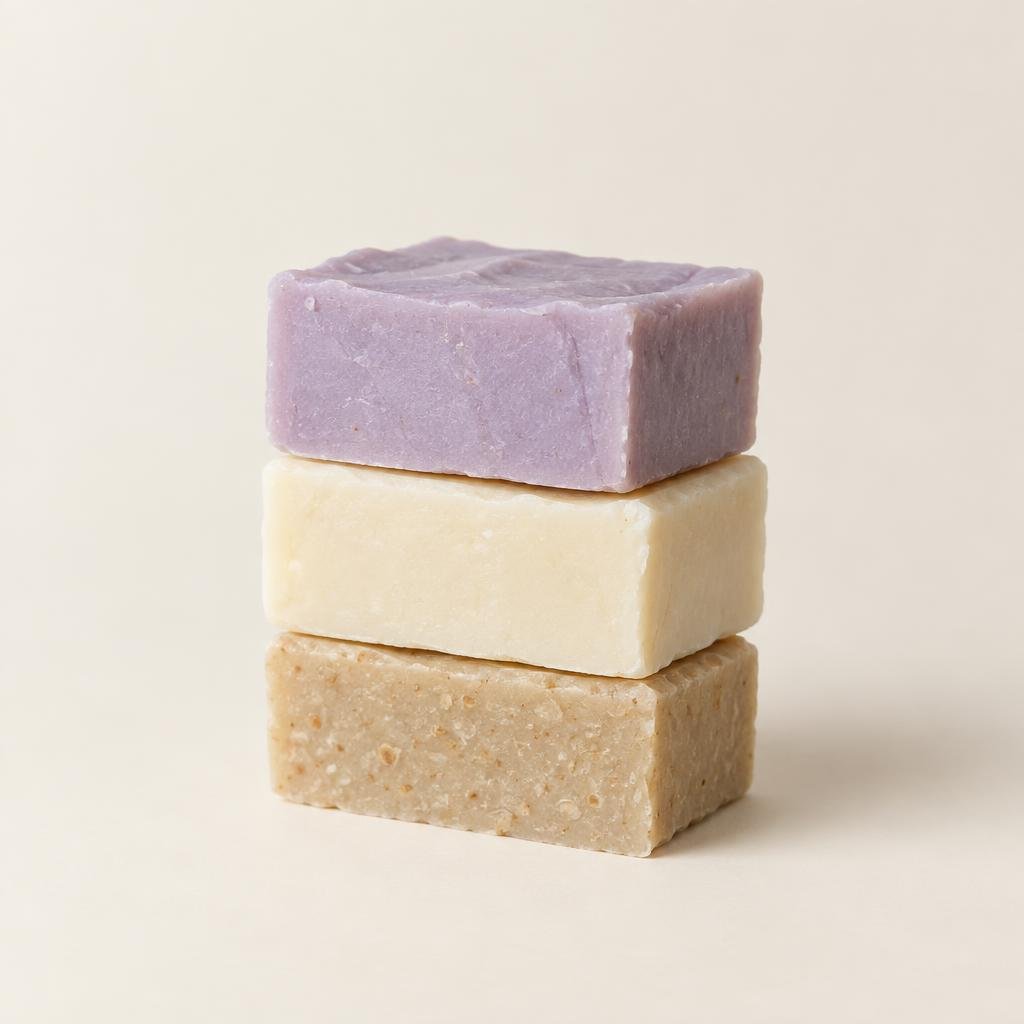
Think about size and shape too. A rectangular bar sits neatly in a dish and is easy to hold. A round bar fits the palm and works well for hand washing. Rough-cut bars in stacked colors are nice to give, and they look good on a counter as well as in the shower.
Where you keep the soap affects how long it lasts. A bar left sitting in water turns soft and wears down quickly. A slatted dish lets water drain away, so the bar can dry between uses. This is the single easiest way to get more washes from every bar. It costs almost nothing.
A well-cured bar is also worth looking for. Soap that has had time to dry out after being made is harder, and a harder bar lasts noticeably longer in the shower. Once you have it at home, keep a spare bar somewhere dry, such as a drawer or shelf, where air can reach it. Unused bars keep their scent better that way.
Making Your Final Pick
Small bars and sample sizes are a low-risk way to explore. If a maker offers a few scents in a smaller format, try two or three side by side. You will quickly learn whether you lean toward herbal, floral, citrus or something plain, and which lather suits your skin and your sink. That is the cheapest way to learn your taste.
If you are unsure, start with one bar and use it for a couple of weeks. Notice whether you reach for it again, and whether the scent still feels pleasant by the end. That tells you more than any description can, and it makes your next choice easy. A quick mental note is plenty.
A common mistake is choosing by the smell of the packaging alone. A bar sniffed through a wrapper smells different once wet and warm. Another is buying a large stack of one scent before you have lived with it. Choosing a single bar first, then returning for more once you are sure, saves both money and disappointment. Reading a description closely and then testing it at home is the best habit.
Finally, remember that a bar is something you use up. Pick one you will enjoy picking up every day, because the best soap is the one you actually want to wash with. Scent, feel and shape all count, but habit counts most, so let your own hands and nose decide in the end.